Why Your Door Won't Close Properly in Killeen
If you're dealing with a door that won't close properly in your Killeen home, you're not alone. Sticking doors are one of the most common complaints homeowners bring to our team, and the causes run deeper than just a warped frame or loose hinges. The real culprits often involve structural movement, moisture fluctuations, and in some cases, hidden wood damage that requires professional attention.
The climate in Central Texas creates a unique environment for door problems. Our region experiences significant humidity swings between seasons, and Killeen's expansive clay soil is notorious for shifting and settling. When your foundation moves even a fraction of an inch, door frames shift with it, throwing the alignment off just enough to cause binding. This is especially true for exterior doors, which bear the brunt of seasonal moisture and temperature changes.
How Shifting Clay Soil Causes Foundation Movement
Central Texas sits atop expansive clay soil, a geological reality that affects nearly every home in the area. This clay expands when wet and contracts when dry, creating a cycle of movement that puts constant pressure on your foundation. During rainy seasons, the clay swells, pushing your foundation upward. During dry spells, it shrinks, allowing the foundation to settle. Over months and years, these small movements add up, and your door frames bear the visible evidence.
When your foundation shifts, even subtly, the door frames attached to it shift too. A frame that was perfectly square last year may be slightly out of square today. The top corner might be higher on one side, or the sides might be leaning slightly inward or outward. These minute changes are enough to make a door drag against its frame, refuse to latch, or require force to close. The problem is progressive, meaning it typically gets worse over time if the underlying foundation issue isn't addressed. If you notice your doors getting progressively harder to close, or if you see cracks forming around door frames, it's time to investigate the foundation and the structural integrity of your home.
Humidity, Moisture, and Wood Swelling
Wood naturally absorbs and releases moisture based on humidity levels in the air. In Killeen, where humidity can swing dramatically between seasons and even between indoors and outdoors, door frames and doors themselves expand and contract constantly. During humid months, wood swells. During dry months, it shrinks. If a door frame was installed during a dry season, it might have been slightly compressed. When humidity rises, the wood expands, and suddenly the door binds in its frame.
The problem intensifies when moisture penetrates the wood itself, especially if there's poor weatherstripping or caulking around the door frame. Moisture-laden wood swells more than dry wood, and if swelling is uneven across the frame, the geometry becomes distorted. A door that slides freely in winter may stick stubbornly in summer. This cyclical sticking is a clear sign of moisture-related wood movement. Over time, repeated swelling and shrinking can weaken the wood fibers, leading to warping that doesn't reverse even when humidity normalizes. In these cases, the door frame itself may need adjustment or replacement to restore proper operation.
Termite Damaged Door Frame: A Hidden Structural Threat
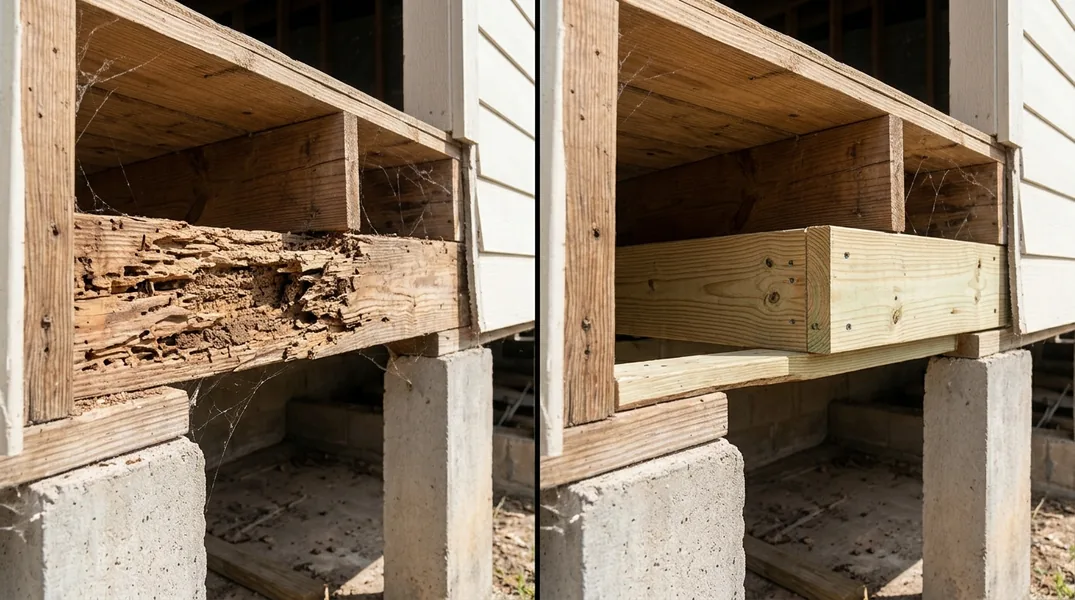
Termite Damage Repair is one of the most critical services we provide, and termite damage is often discovered when homeowners notice sticking doors. Termites eat wood from the inside out, hollowing out the structural integrity while the surface may look normal. A door frame that appears solid can actually be riddled with termite galleries, weakening the frame and causing it to warp or sag under its own weight.
When termites infest a door frame, the wood loses its structural rigidity. The frame may sag slightly at the top, or the sides may bow inward or outward. This distortion throws off the door's alignment, causing it to stick or bind. More concerning than the sticking door itself is what it signals: active or past termite infestation in your home's framing. Termite damage spreads beyond the door frame to adjacent studs, headers, and structural members. If you suspect termite damaged door frame issues, it's essential to have a professional inspection. The door may be fixable with adjustment or replacement, but the underlying termite problem and any structural damage it caused must be addressed to protect your home's integrity.
When to Call a Professional for Sticking Door Repair Near Me
Not every sticking door requires professional intervention. If your door started sticking recently and you've ruled out obvious issues like loose hinges or a build-up of paint, the cause is likely structural or moisture-related. This is when you should reach out to a carpenter who understands the unique challenges of Central Texas homes. Killeen Carpentry specializes in identifying the root cause of door problems and fixing them properly, rather than just adjusting hinges as a temporary band-aid.
Professional diagnosis is especially important if you notice multiple sticking doors in your home, doors sticking worse during certain seasons, or visible signs of wood damage around the frame. These patterns suggest foundation movement, moisture intrusion, or pest damage that requires expert assessment. Our team can evaluate your door frames, check for wood rot or termite damage, assess foundation movement, and recommend the best solution. Whether it's frame adjustment, replacement, or addressing the underlying structural issue, we'll give you honest guidance on what needs to happen. If you're dealing with persistent door problems, call Killeen Carpentry at (254) 406-1645 to schedule a free estimate and get answers about what's really going on with your doors.
Wood Rot and Dry Rot: Moisture Damage That Causes Doors to Stick
Wood Rot & Dry Rot Repair becomes necessary when moisture has penetrated the wood deeply enough to cause fungal decay. Unlike termite damage, which leaves galleries and frass, rot causes the wood to become soft, spongy, and structurally compromised. A door frame affected by rot will lose its shape and strength, warping in ways that make the door bind severely.
Dry rot is particularly insidious because it can progress rapidly once it starts, and it's often hidden from view. If your door frame has been exposed to moisture over time (from poor drainage, leaking gutters, or damaged caulking), dry rot may already be present. The wood will become lighter in color, develop cracks in a pattern that looks like alligator skin, and crumble if you press on it. At this point, the frame needs professional attention. Our Wood Rot & Dry Rot Repair services include removing damaged wood, treating the affected area to stop the rot, and installing new framing to restore the door's function and your home's weathertightness. Addressing rot early prevents it from spreading to adjacent framing and keeps repair costs reasonable.
Looking for a professional carpentry contractor in Killeen? Killeen Carpentry responds fast for all your carpentry needs.
Get a Free QuoteOur services: Wood Rot & Dry Rot Repair · Termite Damage Repair · Floor Joist & Subfloor Repair