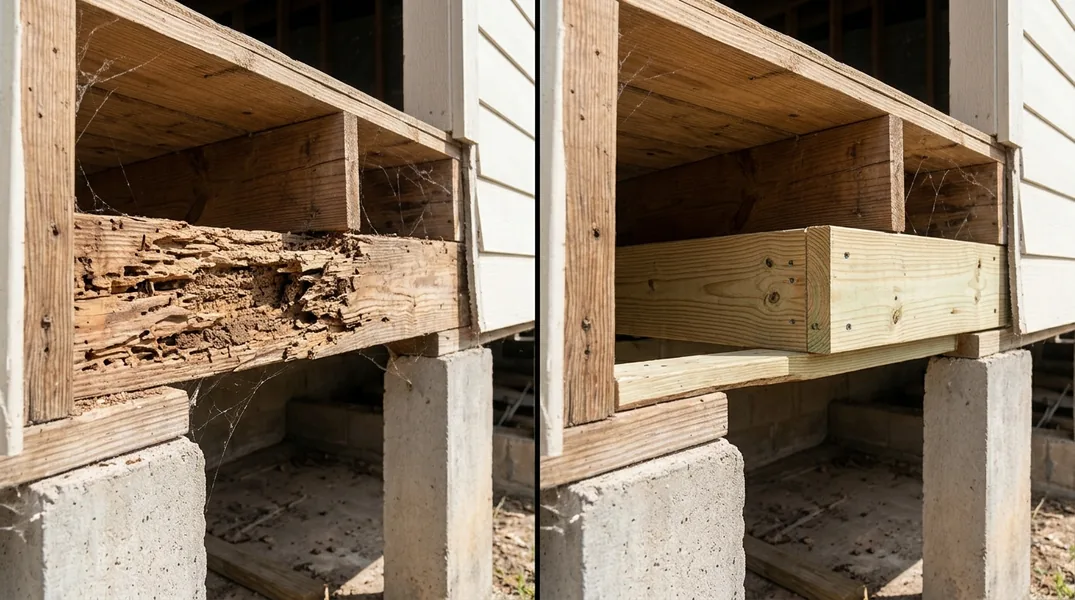
The Reality of Rotted Wood: Repair vs. Replace
When you discover soft, discolored wood on your home's exterior or interior, the immediate question becomes: can I fix this, or do I need to replace it entirely? The answer depends on several factors that homeowners often overlook. Not every instance of wood rot demands complete replacement, but not every case can be salvaged either. Understanding the difference between surface-level damage and structural compromise is the first step toward making a smart, cost-effective decision.
The truth is that many homeowners in Killeen face this dilemma during the humid Texas summers and after heavy rains. Bell County's climate creates ideal conditions for fungal growth and wood deterioration. Before you panic or commit to expensive replacement work, it helps to know what you're actually dealing with. Some rotted wood can be treated, stabilized, and reinforced. Other situations require full replacement to ensure your home's safety and structural integrity. A trained eye makes all the difference.
Can You Repair Rotted Wood Without Replacing It?
Yes, in many cases you can repair rotted wood without tearing it out and starting fresh. The key is catching the damage early and assessing its depth. Surface rot that hasn't penetrated more than half an inch into solid wood is often a candidate for repair. This is where Wood Rot & Dry Rot Repair specialists come in. They can remove the affected wood fibers, treat the area with fungicide, and reinforce the damaged section with epoxy fillers or sister boards.
When you repair rotted wood without replacing, the process typically involves cutting away the compromised material, drying the surrounding wood thoroughly, applying preservative treatments, and then rebuilding with compatible materials. This approach works best for trim, fascia boards, window frames, and non-structural elements. The cost savings can be significant compared to full replacement, and the repair often blends seamlessly with the original structure. However, this method only works if the rot hasn't spread into the deeper structural layers or adjacent framing.
One common misconception is that wood rot will simply stop on its own. It won't. Fungal growth continues as long as moisture and organic material are present. That's why addressing rot early, before it advances into load-bearing components, is so important. If you suspect rotted wood in your home, getting a professional assessment sooner rather than later can save you thousands of dollars in unnecessary replacement work.
When Termite Damaged Wood Repair Becomes Necessary
Termite Damage Repair presents a different challenge than dry rot or fungal decay. Termites tunnel through wood, creating hollow galleries that weaken structural integrity from the inside out. A beam might look solid on the surface while being riddled with termite damage beneath. This hidden destruction makes termite damage particularly dangerous because homeowners often don't realize the extent of the problem until it's severe.
In most termite damage cases, repair without replacement isn't feasible for structural components. The damage is too extensive and too unpredictable to trust a repair alone. However, non-structural elements like trim, siding, and decorative beams can sometimes be repaired if caught early. The challenge is that termites work quickly and silently. By the time you notice visible signs, the damage has usually progressed significantly. This is why professional inspection is critical. A carpenter can probe suspicious areas, identify the extent of termite galleries, and recommend whether repair or replacement is the only safe option.
If you live in Killeen and have discovered termite activity, don't delay. Termites can compromise your home's structural safety in months. Beyond the immediate repair work, you'll also need to address the pest problem itself and implement preventive measures to avoid recurrence. This is a situation where professional guidance isn't optional; it's essential for protecting your investment and your family's safety.
Replace Rotted Wood Siding: Signs It's Time for Full Replacement
Siding is your home's first line of defense against weather, pests, and moisture. When siding develops rot, the stakes are high because compromised siding allows water to penetrate into the wall cavity, potentially affecting insulation, sheathing, and framing. Many homeowners wonder if they can patch a small section of rotted siding, and sometimes they can. However, if the rot is widespread, deep, or affecting multiple boards, full replacement of that siding section becomes the smarter investment.
Signs that you need to replace rotted wood siding include soft spots that don't firm up when probed, discoloration that runs along multiple boards, visible fungal growth or mold, and water damage on interior walls behind the siding. If rot has progressed beyond the surface layer, replacement is safer and more cost-effective than attempting a patchwork repair. Replacing rotted wood siding also gives you the opportunity to upgrade to more durable materials, improve insulation, and address any underlying moisture issues that caused the rot in the first place.
The replacement process typically involves removing the damaged siding, inspecting the sheathing and framing beneath, treating any moisture problems, and installing new siding that matches your home's existing style. While this is a bigger project than a simple repair, it provides peace of mind and eliminates the risk of recurring rot in the same location.
Wood Rot & Dry Rot Repair Cost in Killeen: What to Budget
Understanding wood rot repair pricing helps homeowners make informed decisions. The cost of repairs varies dramatically depending on the location, extent, and type of damage. A small section of rotted fascia board might cost $200 to $500 to repair, while replacing an entire wall of siding could run $2,000 to $5,000 or more. Structural repairs, such as Floor Joist & Subfloor Repair, tend to be at the higher end because they require precision, building permits, and sometimes temporary structural support during the work.
Several factors influence the final cost. The depth of the rot, the accessibility of the damaged area, whether permits are required, the type of wood involved, and the scope of related issues all play a role. A repair that involves only surface treatment might be inexpensive, but if the rot has reached structural components or if hidden damage is discovered during the work, costs can escalate. This is why getting a detailed assessment and estimate from a qualified professional is so important. Hidden surprises are common in wood rot jobs, and experienced carpenters budget for contingencies.
It's also worth considering the cost of doing nothing. Untreated wood rot spreads and worsens over time, eventually requiring much more expensive repairs or replacement. A $400 repair today could prevent a $4,000 problem next year. When you're evaluating whether to repair or replace, factor in the long-term cost of inaction. If you'd like to discuss your specific situation and get an accurate estimate, reach out to Killeen Carpentry at (254) 406-1645 or request a free estimate online.
Structural Damage: When Professional Help Is Non-Negotiable
Some wood damage situations go beyond simple repair or replacement decisions. When rot or termites have compromised load-bearing beams, floor joists, or other critical structural elements, the situation becomes serious. Structural failure can lead to sagging floors, cracked drywall, misaligned doors and windows, or in extreme cases, partial collapse. This is where Beam Replacement & Load-Bearing Wall Removal services become necessary, and professional expertise is absolutely essential.
Diagnosing structural wood damage requires knowledge of building codes, an understanding of load paths and stress distribution, and the ability to design safe, compliant repairs. Homeowners should never attempt to repair or replace structural components on their own. These repairs typically require building permits, engineer approval, and temporary bracing during the work. A professional carpenter can assess whether a beam can be reinforced or if it must be replaced entirely. They can design and install the appropriate support system to protect your home during the repair process and ensure the final result meets all safety standards.
If you notice sagging ceilings, bouncy floors, or structural concerns in your Bell County home, don't wait. Contact Killeen Carpentry for a professional inspection. Structural problems only get worse with time and moisture exposure, and delaying treatment puts your family at risk.
Looking for a professional carpentry contractor in Killeen? Killeen Carpentry responds fast for all your carpentry needs.
Get a Free QuoteOur services: Wood Rot & Dry Rot Repair · Termite Damage Repair · Floor Joist & Subfloor Repair